
Saffron – The Golden Threads of Kashmir Celebrating India’s Heritage
When we think of spices, few names shine as brightly as saffron.
Known as “Red Gold”, it is treasured for its brilliant colour, mesmerizing aroma, and the touch of royalty it brings to food and tradition.
But beyond its luxury status lies a fascinating story of how it grows, why it’s rare, and the care behind every strand. Saffron has been part of India’s heritage for centuries, with the finest variety growing in the serene fields of Kashmir.
From a Bulb to a Purple Bloom
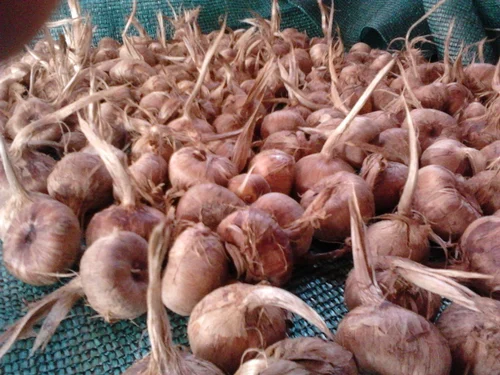
Saffron comes from the Crocus sativus plant, which grows from a small onion-like bulb called a corm. In autumn, these bulbs bloom into delicate purple flowers.
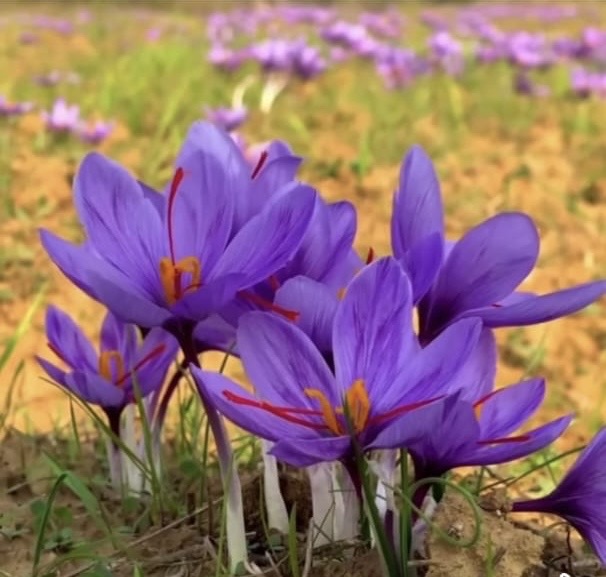
Inside each flower lie three crimson stigmas — the saffron threads !.
Why Saffron is So Precious
1. Limited Yield
One saffron flower produces only three tiny red stigmas. The numbers tell the story:
- 150 flowers → 1 gram of saffron
- 1,50,000 flowers → 1 kilogram of saffron

Yes, you read it correctly only, to gather just one gram of saffron, farmers must handpick approximately 150 blossoms, and a kilogram demands around 1,50,000 flowers. (What you see in the picture is just 2 grams of saffron!)
This extremely low yield makes saffron one of the rarest and most valuable spices in the world.
2. Manual Harvesting
Saffron harvesting is entirely handcrafted. The flowers bloom early in the morning and within a few hours, skilled workers carefully pluck them by hand to ensure the fragile stigmas remain intact. The threads are then separated and dried meticulously — a labor-intensive process requiring precision and patience that machines can never replicate. This labor of love makes saffron the world’s most precious spice. No machine can be used for this process, do you accept?
3. Short Blooming Season
The saffron crocus blooms only for two to three weeks in autumn, meaning the entire year’s harvest happens in this short window. Missing this peak bloom results in losing a whole year’s harvest, adding to its rarity and value.
4. Climate-Specific Growth
Saffron needs cold winters, mild summers, and rich, well-drained soil — conditions found naturally in Kashmir. With such ideal resources, our land has the potential to lead the world in producing this golden treasure.
How to Check for Pure Saffron
Authentic saffron releases a golden-yellow hue when soaked in water or milk.
If it turns bright red or bleeds colour instantly, it may be adulterated. True saffron also has a natural, sweet hay-like fragrance.
Saffron in Kitchen and Tradition
For centuries, saffron has elevated both everyday dishes and festive delicacies:
- Golden touch to kesar milk, biryanis, kheer, and sweets
- Kashmiri kahwa, a warming saffron-infused tea
- Infused in soups, broths, and curries for color and aroma
- Used in desserts and beverages around the world
Saffron in Beauty and Skincare
Our ancestors knew saffron’s beauty secrets well:
- Mixed with milk and sandalwood for bright, radiant skin
- Face packs to reduce pigmentation and blemishes
- Added to oils and creams for anti-aging benefits
- Traditional remedy for improving skin texture
Health Benefits of Saffron
Beyond flavour and beauty, saffron offers remarkable health benefits:
- Mood enhancer – Helps ease stress and anxiety
- Boosts memory – Supports brain health and learning
- Powerful antioxidants – Protects the body from cell damage
- Aids digestion – Relieves bloating and improves appetite
- Good for the eyes – Helps maintain healthy vision
- Pregnancy tradition – Pregnant women have long been given saffron milk, believed to promote a healthy complexion and wellness for both mother and child.
Nature’s Rare Treasure of India
While saffron is celebrated worldwide, it truly grows—and thrives—only in two key regions: Kashmir and Iran. Kashmir’s Pampore region, with its unique karewa soil and high-altitude climate, produces saffron valued for its deep maroon hue, rich aroma, and exceptional crocin content. Meanwhile, Iran remains the global giant in saffron production, accounting for approximately 90% of the world’s supply, with its arid regions like Khorasan and cities such as Torbat-e Heydarieh being legendary cultivation hubs.
Even though Iran produces about 90% of the world’s saffron, Kashmiri saffron has a reputation and appeal that production numbers alone can’t match. Its strength lies in quality, not quantity. With a higher concentration of natural compounds like crocin, picrocrocin, and safranal, Kashmiri saffron offers an intensity and purity that make it a prized luxury for connoisseurs, despite its limited production.
From a tiny bulb nestled in the fertile Kashmiri soil to the skilled hands that pluck it at dawn, saffron represents patience, care, and centuries of tradition.
With all the natural resources we have, India holds the golden promise of nurturing this rare spice and sharing it with the world.



Comments (3)
G. Devi
Saffron – how enchanting to discover the vast health potential of this pretty yet powerful purple – blooming flower!
Pramod Kumar Yadav
Saffron is really a unique antioxidant and a wonderful spice
KIRUBA KUMARI R
Excellent pinni…