
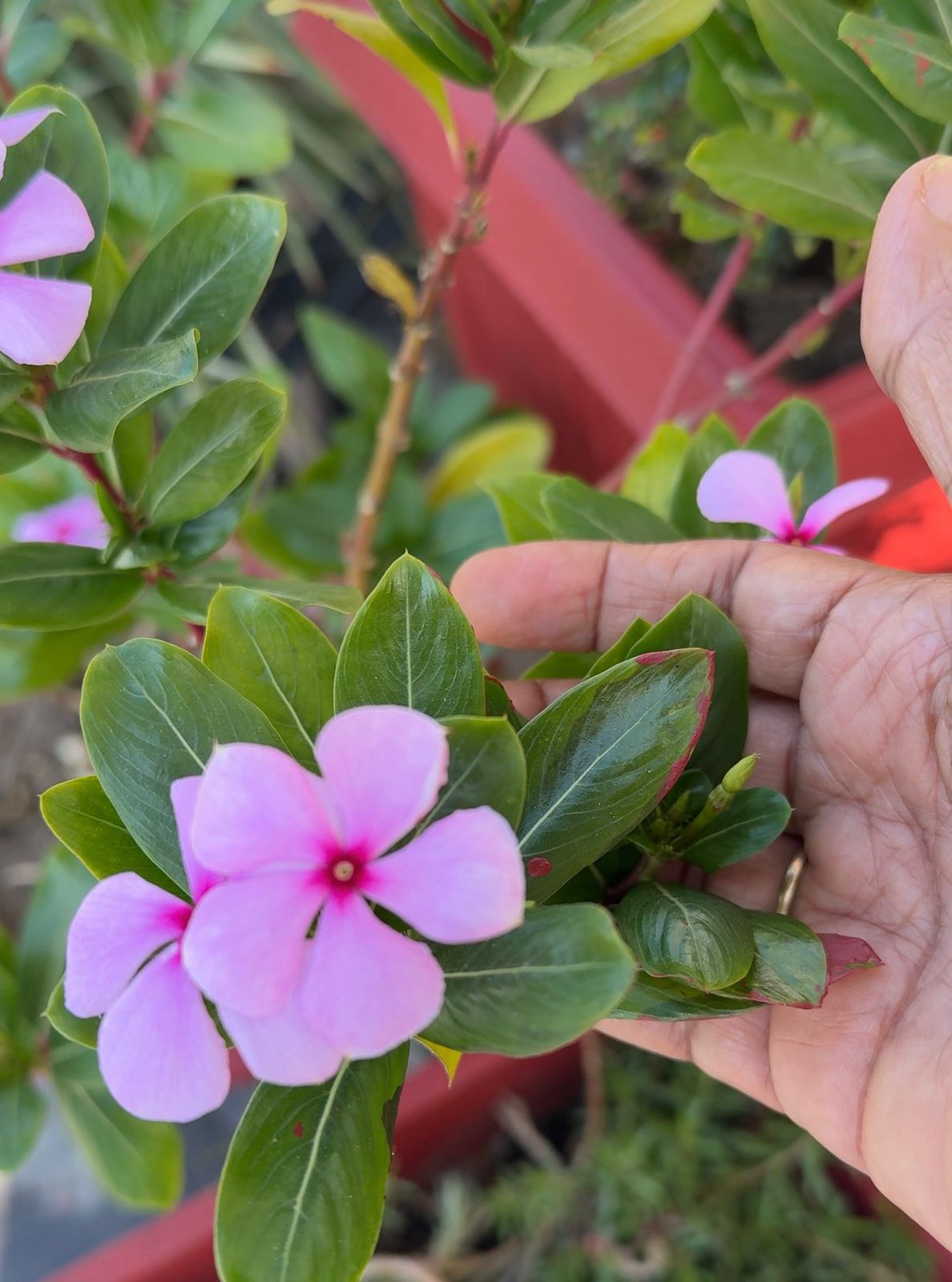
Nithyakalyani: The Ever-Blooming Flower with Healing Powers
Walk past any street corner, temple courtyard, or village path, and you’ll spot them — the cheerful pink and white blossoms of Nithyakalyani, also known in some regions as Sudukattu Poo. With its five petals and year-round blooms, it brightens even the dullest patches of earth. To most of us, it is simply a hardy garden plant. But to our ancestors, it was more than beauty — it was medicine.
A Flower That Never Tires
The name Nithyakalyani means “ever auspicious,” and rightly so — this little plant blooms in every season, through rain, heat, or neglect. It doesn’t demand much care, which is why you’ll find it in front yards, by fences, and along roadside hedges. Its constant flowering made it a symbol of endurance, vitality, and quiet grace.
Why It Is Called Sudukattu Poo
I often used to wonder — why would such a lovely plant, with its soft pink flowers and so many healing qualities, be called Sudukattu Poo? The name felt too harsh for something that blooms so gracefully all year round.
The answer lies in where it chooses to grow. In Tamil, “sudukadu” means a cremation ground — a dry, sun-scorched place where little else survives. Yet, this plant thrives there without care or water, spreading green even in the hottest, most barren patches of land. Because it was often found around such places, people began calling it Sudukattu Poo — the flower of the burnt ground.
So while Nithyakalyani celebrates its auspicious, ever-blooming nature, Sudukattu Poo reflects the type of land it thrives on. Both names describe different faces of the same resilient plant.
The Healer in Disguise
Generations before us knew that Nithyakalyani carried healing within its leaves and petals. In villages, it was often the first line of remedy when a doctor was far away:
🌿 For diabetes – A simple leaf decoction was given in small amounts to help keep blood sugar in check.
🌿 For fever and infections – The leaves found their way into home brews to reduce fever.
🌿 For wounds and bites – Crushed leaves soothed insect bites and small cuts.
🌿 For stomach troubles – Used sparingly, parts of the plant eased digestion.
Our elders respected the plant’s strength and always used it with care, knowing too much could do more harm than good.
Science Catches Up
What tradition whispered, science later confirmed. Researchers found that the leaves of Nithyakalyani contain compounds that can lower blood sugar — supporting its folk use in diabetes. Modern studies on animals have shown that leaf extracts improve how the body uses glucose and even support insulin activity.
But the story doesn’t end there.
The same plant revealed two life-saving alkaloids — vincristine and vinblastine — that are now used in chemotherapy to treat cancers like leukemia and lymphoma.
From roadside shrub to cancer wards, Nithyakalyani has traveled a long way, proving its worth to both healers and scientists.
A Word of Caution
Though this flower has earned a place in both folk medicine and modern research, it is not one to be used casually. Its compounds are strong, and self-medication is unsafe. Today, extracts are carefully studied, measured, and refined before reaching patients. For everyday life, let the plant remain a beauty in your garden — and let its healing side be guided by medical expertise.
More Than Just a Bloom
The next time you see Nithyakalyani blooming quietly in a corner, remember — it is not just a garden flower. It is a plant that has seen both worship and neglect, grown in both courtyards and cremation grounds, and still continues to bloom unfailingly.
✨ Nithyakalyani – ever-blooming, ever-healing.



One Comment
Kuzhali
Wow.. thank you for sharing da!!!