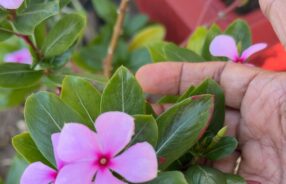
The Creeper That Heals – Why Mudakkathan Keerai Deserves a Comeback
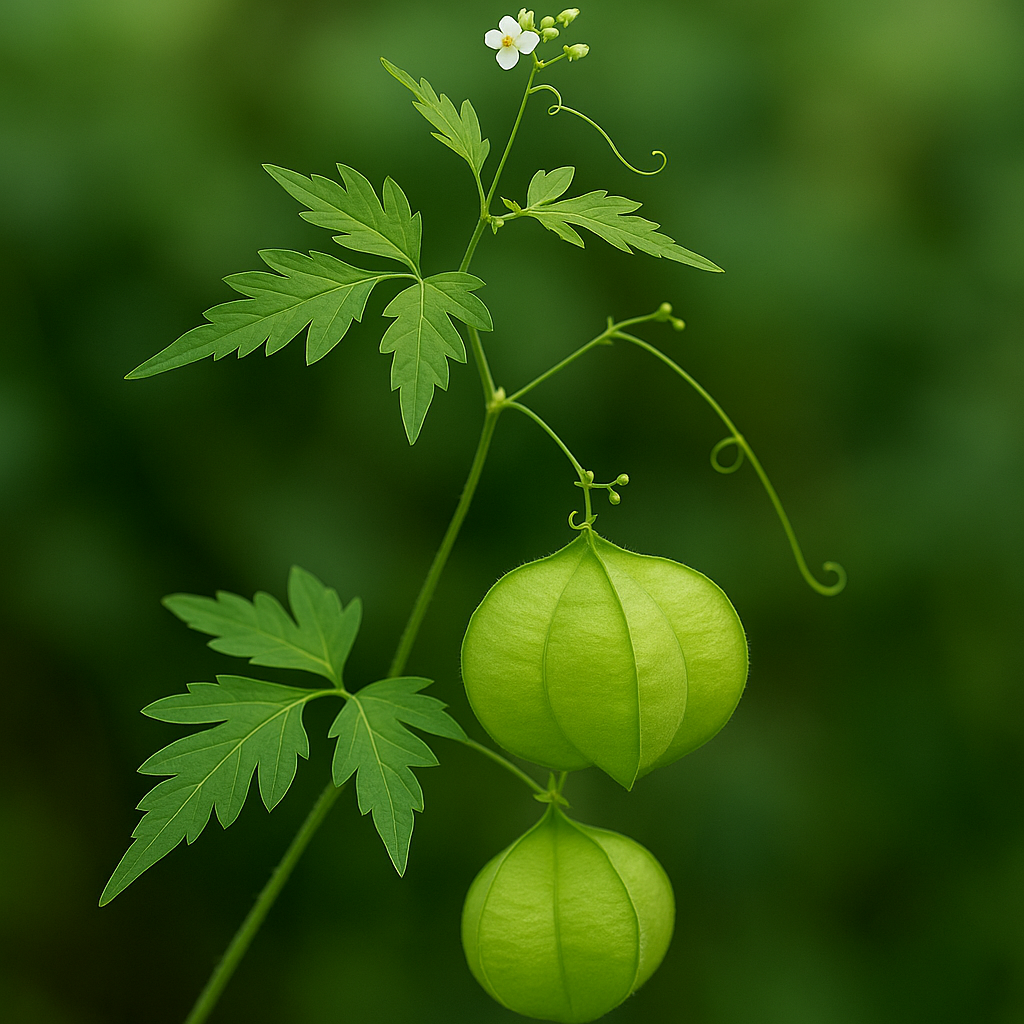
It looked like nothing special — a wild creeper climbing over a broken fence, its leaves shaped like tiny hands, with small balloon-like pods dangling like decorations. I had passed by it countless times without a second thought.
But when I began experiencing persistent knee and joint pain, a friend gently nudged me toward something our ancestors never overlooked — Mudakkathan keerai.
She didn’t suggest a pill or a cream, just a green. “Try Mudakkathan,” she said. “Make a chutney or dosa with it for a few days — you’ll feel the difference.”
I was skeptical. But I tried. And to my surprise, I did feel a difference — not overnight, but steadily. The stiffness reduced, the dull ache softened, and it felt like my body was responding to something it truly needed.
That moment was a turning point — not just in how I saw my own health, but how I began to look at the plants around me. This blog is my attempt to share what I learned, and to remind us that sometimes, the most powerful remedies don’t come in capsules or bottles, but quietly grow right outside our homes.
What is Mudakkathan Keerai?
Mudakkathan keerai, known in English as Balloon Vine, and botanically as Cardiospermum halicacabum, is a climbing plant commonly found in tropical regions. Its name in Tamil literally means “the joint pain reliever,” giving a clue to one of its most trusted uses.
With its soft, lobed leaves and characteristic balloon-like seed pods, it often grows wild along fences and compound walls. In traditional Indian medicine, particularly Siddha and Ayurveda, it’s used to treat a variety of ailments from joint pain and cough to skin issues and poor digestion.
Though overlooked in many modern kitchens, it has been a long-trusted herb in rural households, not just for food, but as natural medicine.
Health Benefits of Mudakkathan Keerai
1. Relieves Joint Pain and Inflammation
True to its name, Mudakkathan keerai is most renowned for treating joint pain, arthritis, and swelling. With anti-inflammatory properties, it helps reduce pain and stiffness in knees, elbows, and fingers when consumed regularly or applied externally.
2. Strengthens Bones and Muscles
Rich in calcium, iron, and vitamin C, this herb supports stronger bones and reduces muscular fatigue, especially beneficial for aging adults or those with sedentary lifestyles.
3. Improves Digestion
The plant helps cleanse the digestive tract, relieving constipation, bloating, and acidity. It stimulates metabolism and supports better absorption of nutrients.
4. Eases Respiratory Problems
Mudakkathan is used in herbal kashayams (decoctions) to treat cold, cough, and asthma. It helps in clearing mucus and soothing inflamed airways.
5. Promotes Skin and Hair Health
With its natural antibacterial and antifungal properties, it helps heal wounds, reduce itching, and treat skin infections. Applied as oil, it’s also known to control dandruff and encourage hair growth.
6. Boosts Immunity
Thanks to its antioxidants and rich nutrient content, regular use helps build immunity and reduce oxidative stress — especially helpful in today’s polluted and fast-paced environment.
How to Use Mudakkathan Keerai in Daily Life
1. Mudakkathan Dosa
Grind Mudakkathan leaves with your dosa batter or make a green paste to mix in. The result is a healthy, tasty dosa that’s also healing.
2. Mudakkathan Chutney (Thuvaiyal)
Roast the leaves with urad dal, red chilies, and tamarind, then grind into a chutney. Pairs well with hot rice and ghee — a village-style remedy with flavor.
3. Herbal Kashayam
Boil the leaves with tulsi, pepper, and dry ginger for a homemade decoction to treat colds and congestion naturally.
4. Hair Oil
Infuse coconut oil with Mudakkathan leaves, strain and store. Regular use can help reduce dandruff, cool the scalp, and support healthy hair.
5. Pain Relief Paste
Grind the leaves into a paste and apply it on swollen or painful joints. Wrap with a cloth and leave it on for 15–20 minutes to reduce inflammation.
Precautions and Things to Keep in Mind
Even natural remedies should be used with care:
- Start small: Introduce it gradually into your diet and observe your body’s response.
- Consult your doctor: Especially if you’re pregnant, breastfeeding, or on medication.
- Don’t overuse: 2–3 times a week is generally safe, but avoid daily consumption unless advised.
- Wash thoroughly: The plant often grows wild; soak leaves in salt water before cooking.
Bring Back the Greens That Healed Us
In our chase for instant relief, we’ve drifted away from what once healed us gently and effectively. Mudakkathan keerai may not sit on supermarket shelves or come with glossy labels, but it carries a legacy of wellness rooted in generations of quiet wisdom.
It took a friend’s simple advice to reconnect me with this humble creeper. Now, it’s more than just a green on my plate — it’s part of my healing journey.
Maybe it’s time we all looked closer at the overlooked, the wild, the forgotten. The answers we seek might just be growing by our fences. 🌿
Try growing Mudakkathan — it thrives easily in pots or along fences, asking for little but giving much. You might just find your own green cure waiting to climb.