

Thandai Anklets: Ancient Tradition, Modern Wellness in Every Step
Once considered a symbol of beauty, grace, and tradition, thandai — those thick, snug-fitting silver anklets — have quietly jingled their way through generations of women’s lives. Worn firmly around the ankle, they were never just accessories; they were a part of everyday living, worn without second thought but full of meaning, carrying subtle power within their metallic embrace.
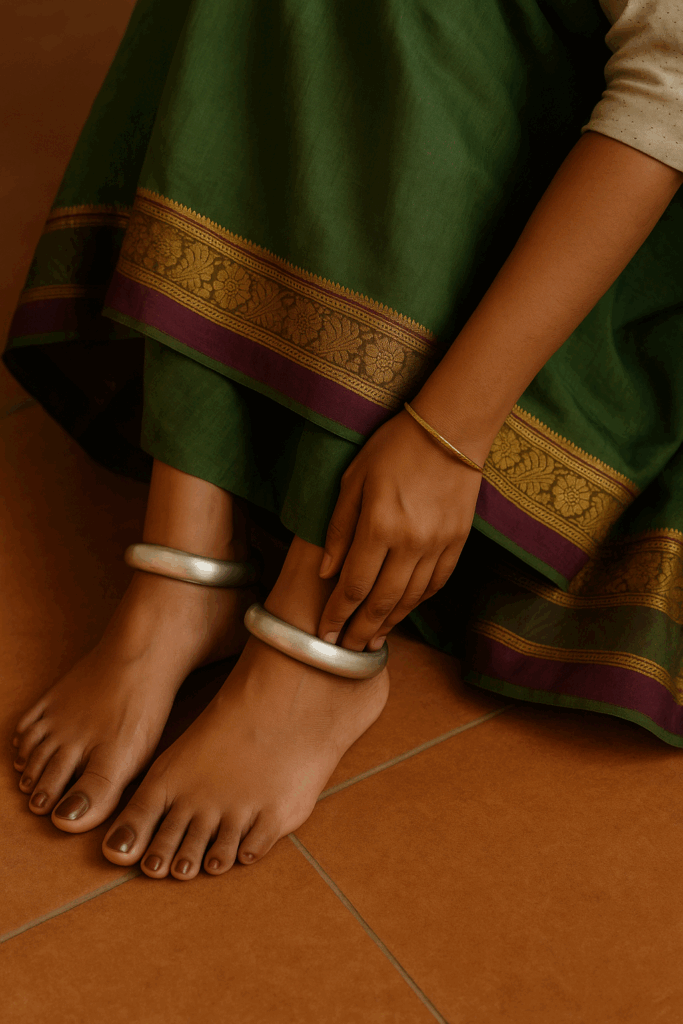
Growing up, many of us remember that sound — a soft chime as women swept the floors, drew kolams, or walked across the courtyard. It was a sound that filled homes with presence. Comforting. Familiar. Yet, somewhere along the way, as fashion evolved and life grew faster, these anklets were set aside — their purpose forgotten, their symbolism dismissed as superstition.
But were they really just ornamental? Or did our ancestors carry a quiet wisdom in every step they took?
Today, the world of wellness talks about grounding, improving circulation, maintaining posture, and balancing energy. But our elders didn’t just talk — they lived it. They wore it, wrapped in silver around their ankles, silently working with every step they took.
When you think of anklets, you probably picture a dainty piece of jewellery that adds a little sparkle to your steps. But the traditional thandai — those thick, snug silver anklets our grandmothers once wore — had a very different story. They weren’t just about looking pretty; they were designed with a purpose.
Imagine wearing something that quietly works for your well-being all day long. That’s what the thandai did. Its gentle grip around the ankle pressed just enough to keep the blood moving in your legs, reducing swelling, easing fatigue after a long day, and even preventing that heavy, numb feeling we often get from sitting or standing too long. Reflexologists still work on those same pressure points today — only our ancestors found a way to do it passively, through everyday wear!
But the magic of thandai wasn’t just in better circulation. In traditional Indian practices like Ayurveda and Siddha, silver anklets were believed to help ground the body’s energy. Just as walking barefoot on cool grass reconnects us with the earth, thandai absorbs excess energy and brings balance, creating a sense of steadiness both physically and emotionally.
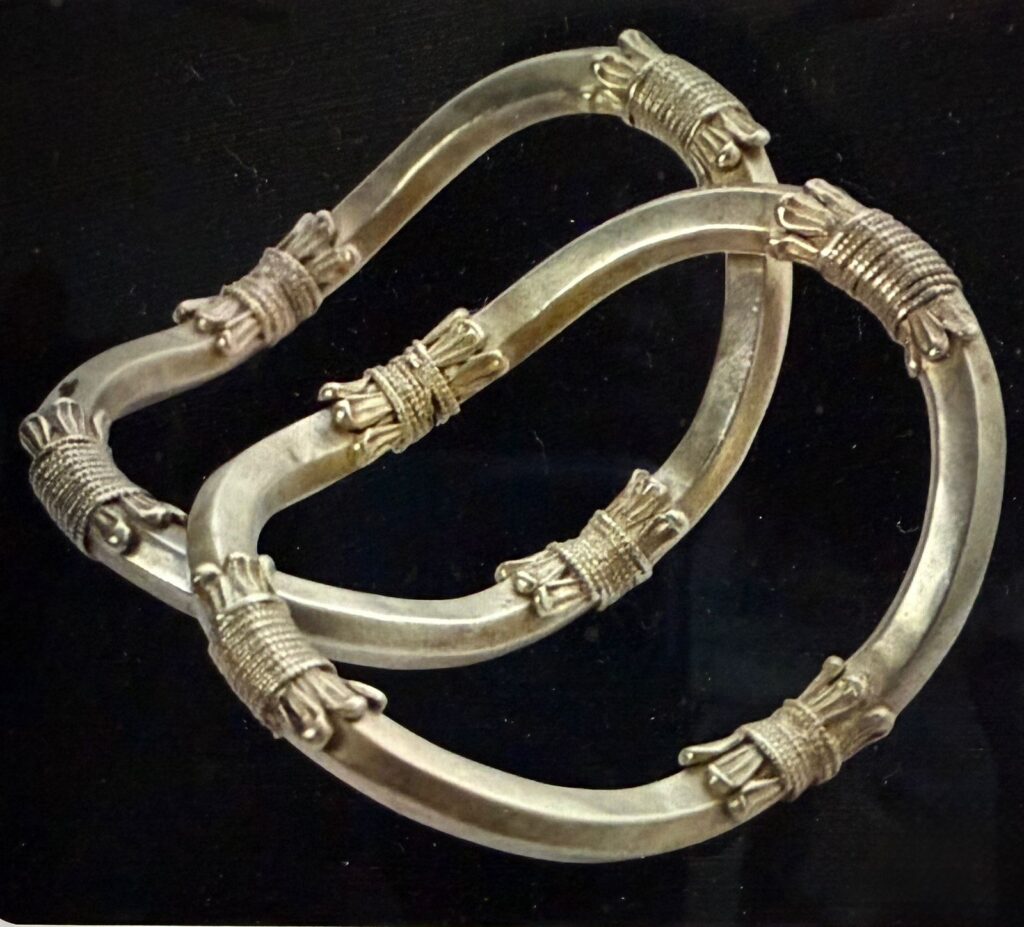
Your ankles, after all, are rich in nerve endings connected to the uterus, spine, and lower organs. The subtle pressure from these anklets kept those points gently stimulated, supporting nerve function and often relieving lower back or pelvic discomfort. For women, this subtle pressure was believed to help with menstrual balance and nurtured overall reproductive health.
And then came the sound — that delicate, almost meditative chime. It wasn’t just pleasing to the ears; it heightened self-awareness. It made each step conscious, each movement a little more graceful. It was like wearing an ancient movement tracker — one that never needed charging — subtly encouraging better posture, mindful walking. Also, we can not forget the calm it brought! That gentle rhythm following your steps acted almost like a moving meditation, easing anxiety and keeping you present without even trying.
Beyond physical benefits, thandai had emotional and symbolic meaning. The soft tinkle often announced a woman’s presence — not as a signal of obedience, but as a rhythm that harmonized the home. Silver, in many traditions, was believed to absorb negativity and act as a protective shield, keeping the wearer grounded and safe.
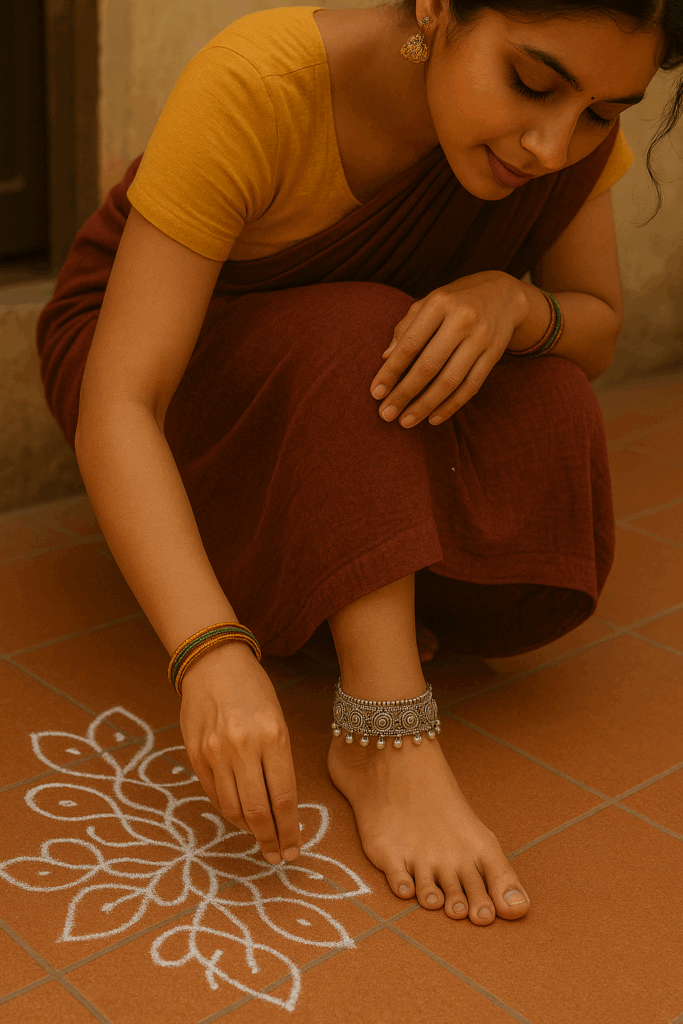
Even the simplest motions — sweeping, climbing stairs, walking to the courtyard — became more than chores; they became expressions of rhythm and grace. Thandai turned motion into meaning and routine into ritual. And perhaps the most beautiful aspect of these anklets? They were never loud, never demanding — just a quiet companion that blended beauty with purpose, tradition with well-being.
In a world that now pushes us to move faster, louder, and further, the thandai offers a whisper from the past: slow down. Walk with awareness. Let your steps carry meaning again.
What once jingled through homes as a symbol of womanhood, energy, and protection is more than just tradition. It’s wellness that wraps gently around your ankle. It’s grounding, circulation, calm, and beauty — not packaged in a bottle, but built into every step.
Bringing back the habit of wearing thandai isn’t about holding onto the past — it’s about reclaiming what worked. What healed. What kept our grandmothers strong, graceful, and firmly connected to the earth beneath their bare feet.
So whether you wear them for health, for elegance, or for that quiet sense of connection — wear them. Not just because they did, but because they make you feel better when you do.



One Comment
Kuzhali
Wow… was not aware of these details… thank you Pavai!!!