
Kashmiri Walnut Trees: Nature, Nutrition & Heritage Craft from the Himalayas
From the fertile slopes of Kashmir grow not only rare walnuts but also cultural legacies carved in wood. This blog explores the health benefits of walnuts, uses of walnut wood, the age-old tradition of Kashmir’s walnut craft, and a surprising beauty secret: walnut fruit as a natural lip tint.
Health Benefits of Walnut Kernels
Walnuts are nutritional powerhouses packed with omega-3 fats, antioxidants, fiber, vitamins, and minerals :
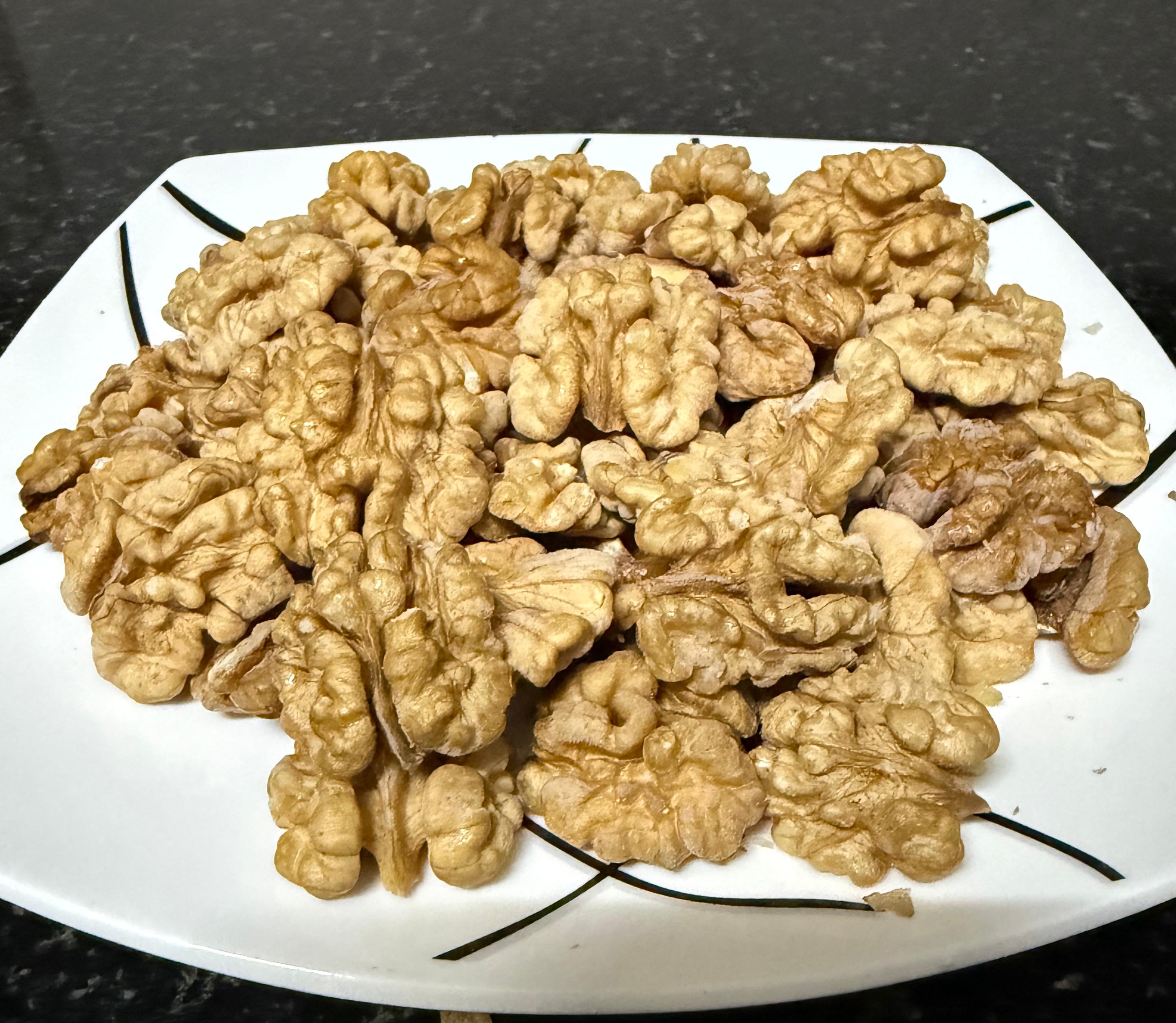
- Heart Health: Regular consumption helps lower LDL cholesterol and blood pressure, improving cardiovascular markers.
- Brain Boost: Rich in plant-based omega-3s and polyphenols, walnuts support memory, mood, and may reduce risk of neurodegenerative conditions.
- Gut Wellness: Walnuts feed beneficial bacteria and increase butyrate production, promoting colon health and reducing inflammation.
- Metabolic Support: High in fiber and healthy fats, walnuts help stabilize blood sugar and may reduce type 2 diabetes risk.
- Reproductive & Women’s Health: May improve sperm quality and support pregnant women in reducing gestational diabetes risk .
The Hub of Walnut Production – Kashmir:
Kashmir, especially at altitudes between 5,500–7,500 ft, is one of the few places in the world where Juglans regia (English walnut) trees thrive sustainably. Locally called Doon Kul, walnut trees are harvested only after about 300 years of maturity, ensuring rich, dense timber and flavorful fruits.
From the roots of Kashmir’s walnut trees, stories are carved into timeless wood.”
Kashmiri Walnut Wood Carving – A GI-Tagged Heritage Craft
Kashmiri walnut wood carving—protected under India’s Geographical Indication (GI) registry—is not just a craft but a living tradition. A GI tag is a mark of authenticity, granted to products that carry the essence of their origin and cannot be replicated elsewhere. In the case of walnut carving, it ensures that only pieces created in Kashmir, using the Valley’s age-old methods, are recognized worldwide, preserving both the art and the artisans.

The walnut tree (Juglans regia), native to Kashmir, provides wood of rare quality—rich in dark tones, fine in grain, and exceptionally durable. For centuries, Kashmiri artisans, known as naqqash, have breathed life into this wood, carving from roots, trunks, and branches. Among these, wood from mature roots is especially treasured for its hardness and deep coloration.
What makes this craft truly special is its place in Kashmiri culture. Walk into a traditional home in the Valley, and you’ll often find carved walnut furniture—ornate screens, chests, trays, and panels—that tell stories through intricate motifs of chinar leaves, lotus flowers, or even mythical dragons. Each piece is hand-carved, no two ever alike, a quiet testimony to patience and artistry passed down through generations.

Today, Kashmiri walnut carving has admirers across the world, but its heart remains in the homes, workshops, and heritage of Kashmir, where wood and hands meet to create timeless beauty. Yet, this centuries-old craft faces challenges—machine-made imitations and the dwindling number of walnut trees threaten its authenticity. Protecting both the artisans and the trees is vital to keep this heritage alive.
Beyond its well-known health benefits, the walnut tree has also been cherished in traditional life for its wood, craft value, and even the unique uses of its fruit husk.
🌿 Traditional Uses of Walnut Husk
The outer husk of the walnut fruit has long been valued as a natural dye—used for coloring fabrics, hair, and even as a natural lip stain by local women. Yes, a lesser-known beauty tradition attributes a naturally rosy tint to lips and cheeks from walnut husk extracts. In many regions, local women traditionally use the fresh walnut husk to stain their lips with a reddish-brown tint! But, primarily it is used in fabrics and inks. walnut husk reflects the traditional, eco-friendly ways in which every part of the tree is utilized. Beyond its colouring effect, walnut husk also holds medicinal properties, with natural compounds like juglone and tannins that are known for their antifungal and antimicrobial benefits, making it a traditional remedy in folk medicine as well.
Together, the walnut’s nourishing kernels, versatile wood, and dye-rich husk highlight how this remarkable tree serves health, beauty, and craftsmanship alike.
Walnut Tree – Nature’s Gift, Artisan’s Pride – A Legacy Beyond Fruit
The walnut tree of Kashmir is much more than a fruit bearer—it is a cultural symbol, a source of artistic beauty, and a nutritional treasure.
From the handful of walnuts that strengthen the body to the intricately carved chests and screens that adorn homes, every part of this tree carries centuries of Himalayan tradition. Even the outer husk finds its place in age-old beauty practices, connecting daily life with heritage.
Yet, this majestic tree stands at risk. Its long maturity cycle—sometimes nearly 300 years—naturally limits supply, while deforestation, lack of replanting, and habitat loss further reduce carving-quality wood.
Adding to this, younger generations are slowly moving away from traditional carving crafts without proper training or incentives, threatening the survival of the art itself.
Preserving the walnut tree is therefore vital—not just to protect its fruits or timber, but to safeguard Kashmir’s renowned craft heritage. Through conservation, replanting efforts, and artisan support, we can ensure that this living legacy continues to feed, beautify, and inspire generations to come.
Let’s keep the walnut legacy alive—for the artisans, for the Valley, for the world.