
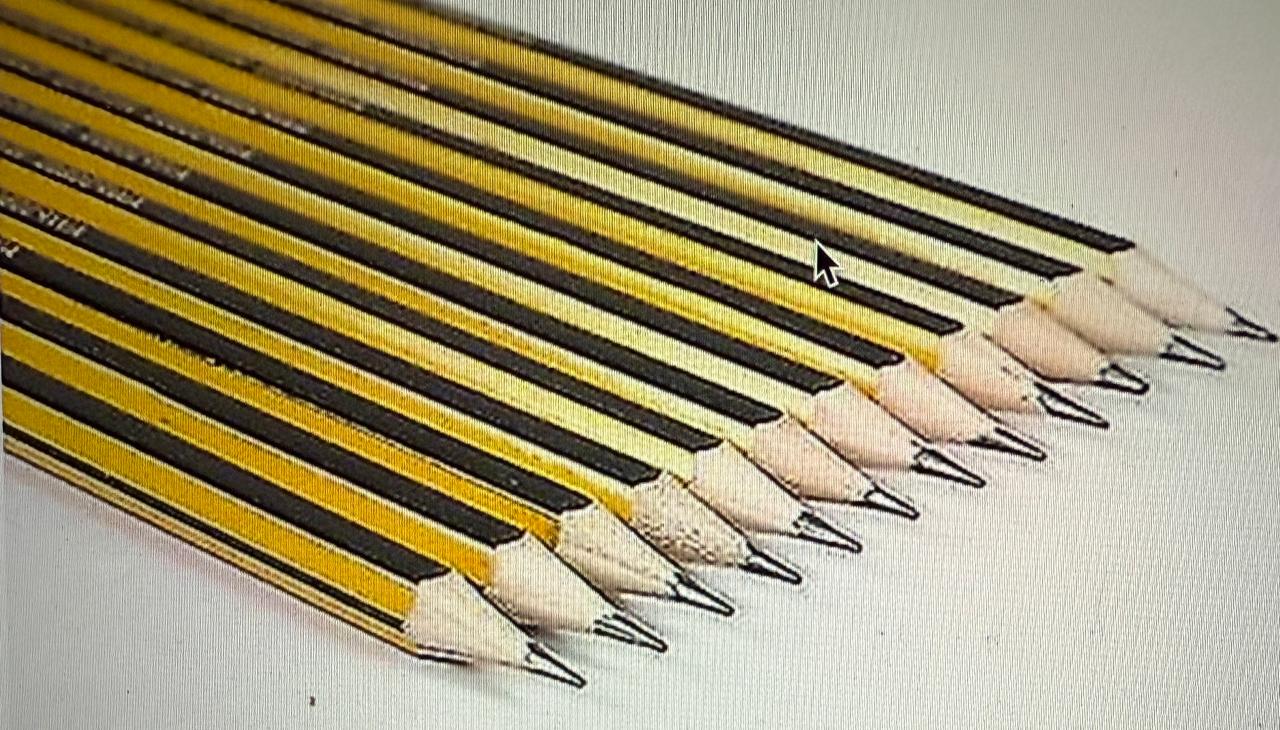
India’s Pencil Hub – The Untold Story of Oukhoo Village in Kashmir
In the scenic Pulwama district of Kashmir lies a seemingly quiet village with an extraordinary story. Oukhoo, as it’s called, produces over 90% of India’s pencil slats, quietly fueling the stationery needs of millions of students, artists, and professionals across the country. What makes it even more remarkable is that nearly every pencil we hold begins its journey here—a hidden legacy that most of us never notice. Fascinating, isn’t it?
The Special Wood Behind Every Pencil
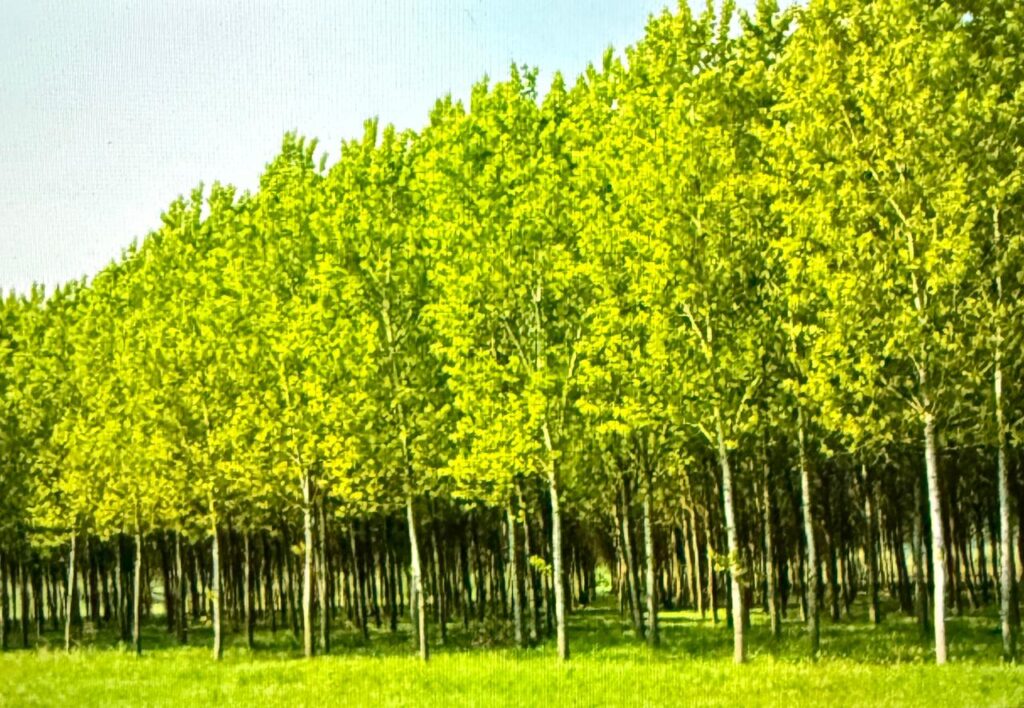
Every great pencil starts with the right wood, and in Oukhoo, artisans rely on poplar trees—specifically Populus deltoides, locally known as Roosi Phras. This wood is prized for being soft and lightweight, making it easy to shape into slats. Its natural moisture balance helps prevent splintering, and since poplar grows relatively quickly, it’s also an eco-friendly choice.
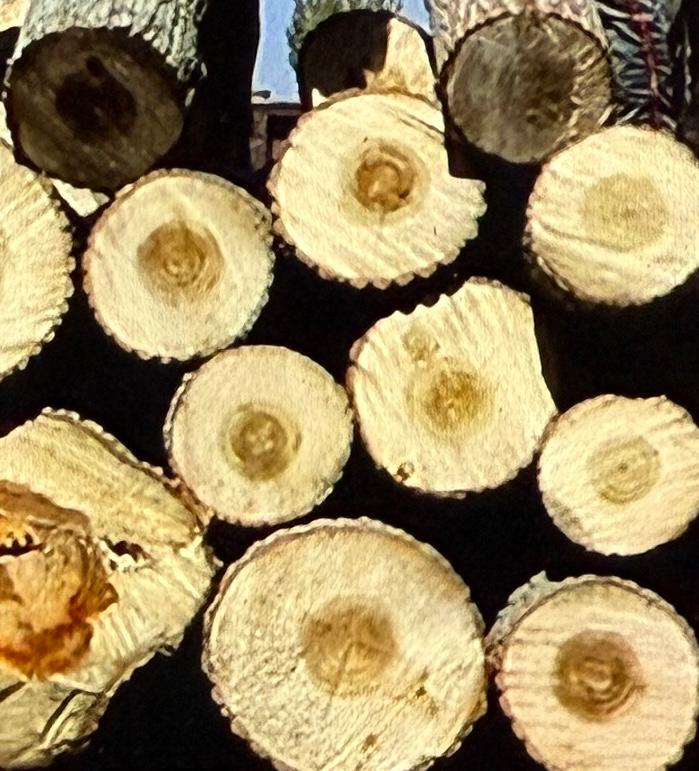
Not long ago, India depended on imports from Germany and China for pencil slats. Thanks to Oukhoo’s rise as a pencil hub, India is now self-reliant, producing enough to meet domestic demand and even exporting pencils to over 80 countries around the world.
Oukhoo – The Pencil Hub of India
Nestled along the serene Jhelum River, Oukhoo has grown into the backbone of India’s pencil industry. Today, the village is home to around 14–17 slat manufacturing units, providing livelihoods to over 3,000 workers and supporting hundreds of families.
From this small corner of Kashmir, raw materials flow to leading brands like Apsara, Nataraj, Hindustan Pencils, and many others. Every year, Oukhoo produces millions of pencil slats—enough to craft more than a billion pencils.
This remarkable transformation from a quiet farming settlement into a thriving pencil hub has even earned recognition from the Prime Minister as a model of Atmanirbhar Bharat (self-reliant India). It stands as a testament to the resilience, skill, and craftsmanship of Kashmiri artisans.
How Pencil Slats Are Made
Ever wondered how a simple pencil begins its journey?
In the heart of Kashmir, pencil-making is more than just a process—it’s a craft passed down through generations. It begins with the careful selection of mature poplar trees, chosen for their straight grain and soft texture, ideal for smooth pencil making.
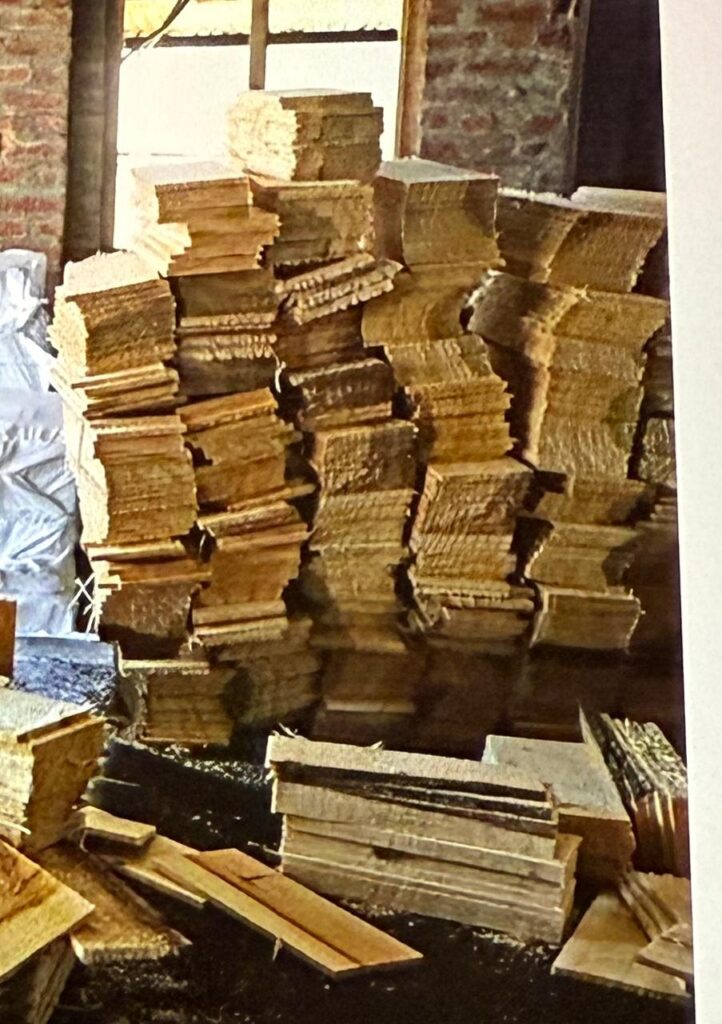
The logs are sliced into delicate 5 mm slats, each holding the promise of becoming four pencils. These slats are then gently seasoned—left to bask in the sun or dried in kilns—so they gain strength and resist warping over time.
Next comes the artisan’s touch: edges are trimmed, imperfections are removed, and each slat is meticulously inspected. Only the finest pieces earn their place in the bundles that travel across India, where they are finally shaped into the pencils that fill our hands, notebooks, and dreams.
The process of pencil-making in Kashmir is a blend of traditional skill and careful wood management:
Harvesting Poplar Logs – Sawing into Slats –Seasoning the Wood – Shaping and Quality Checks – Dispatch to Manufacturers
Challenges Threatening the Craft
While Oukhoo has proudly placed India on the global pencil-making map, I’ve come across several accounts of the hurdles this village continues to face. For one, the availability of poplar wood—the backbone of the industry—has been shrinking. Farmers are either turning to more profitable crops or encountering stricter rules on tree cutting, making raw materials harder to source.
I also came across mentions of regulatory delays—forest permissions, land regulations, and other formalities that often slow down production. Combine that with frequent power cuts and limited modern machinery, and it’s clear how these challenges can weigh on their productivity.
And then, like so many other industries, this one too felt the ripple effects of the pandemic. With schools shut during COVID-19, the demand for pencils dipped sharply, leaving many families dependent on this craft struggling to make ends meet.
Yet, despite these obstacles, the artisans of Oukhoo continue their work with remarkable skill and dedication, keeping the tradition alive. Their resilience hints at a future where this humble village can continue to shine as India’s pencil hub.
The Path to Sustainability
From what I’ve read and gathered, many people see a clear path for Oukhoo to sustain its remarkable pencil-making legacy. For instance, some reports suggest that large-scale replanting of poplar trees, along with incentives for farmers to grow them, could help secure the raw materials the village depends on.
I’ve also come across discussions about policies that could make a difference—simplifying clearances, providing subsidies for eco-friendly processing, and encouraging local production of finished pencils in Kashmir. Such measures could not only increase the value of the industry but also create more employment for the artisans who have kept this craft alive for generations.
And there’s the role of technology. Several newspaper articles highlight that upgrading mills for better energy efficiency and improved output could give this traditional industry a modern boost, ensuring that Oukhoo remains India’s pencil hub for years to come.
Preserving India’s Pencil Legacy
From the tranquil poplar groves of Oukhoo to classrooms, studios, and offices across India, this small Kashmiri village quietly fuels the nation’s ability to write, draw, and dream. Almost every pencil we use carries a piece of this soil.
What began as a humble craft has grown into a crucial national industry, making India self-reliant and even enabling exports to countries around the world. Yet, challenges like declining poplar trees and limited resources remain real concerns.
Focusing on replanting, sustainable forestry, and modern infrastructure is more than just saving an industry—it’s about protecting thousands of livelihoods and ensuring that India continues to craft its future with pencils made at home.
Step into Oukhoo, Kashmir’s pencil village that produces nearly 90% of India’s pencils, and discover the unique poplar wood, the skillful artisans, and the sustainability efforts shaping this remarkable craft.