
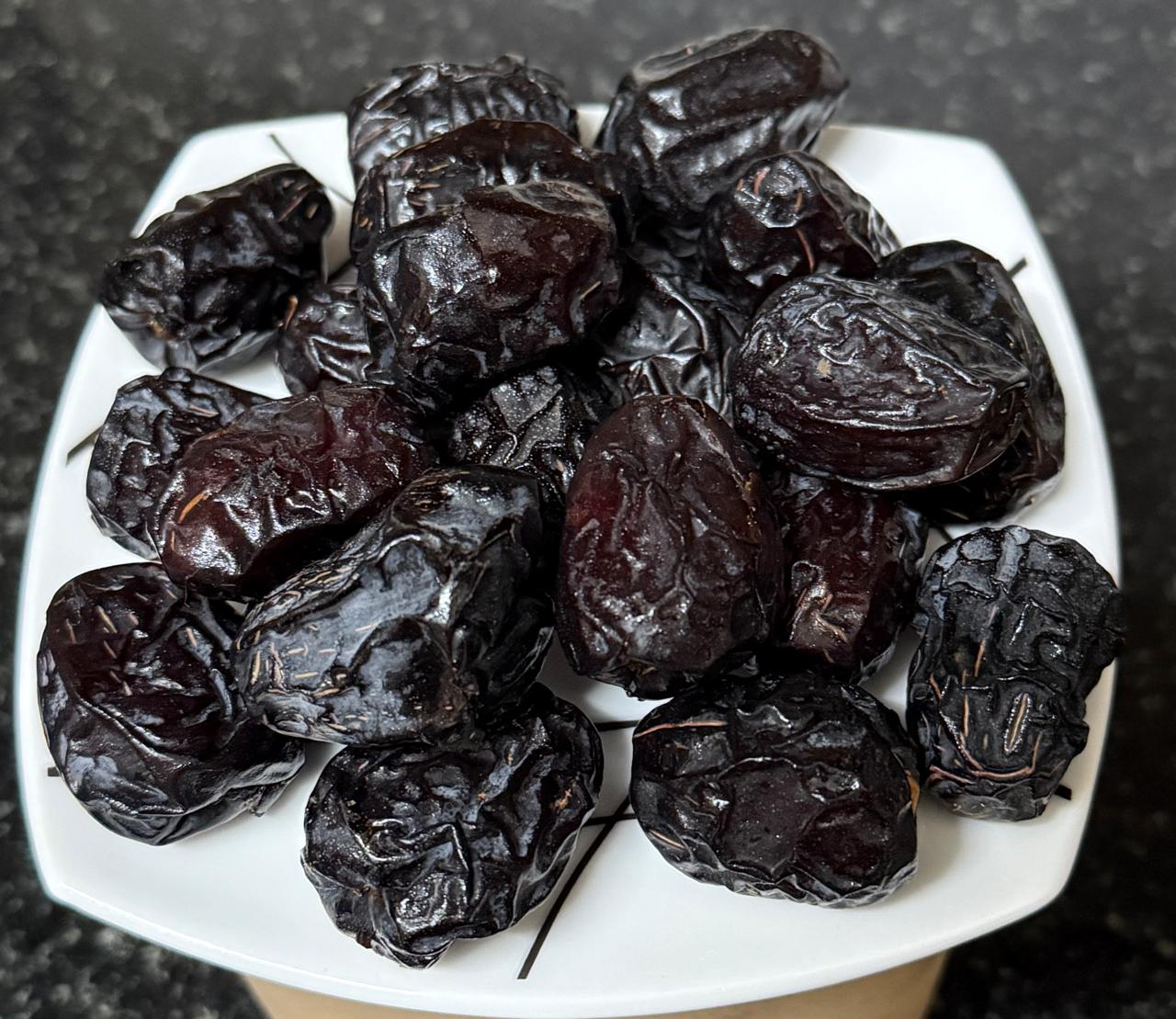
Are Dates Really Good for Iron Deficiency? Nutritional Facts and Health Benefits
Think dates are packed with iron? Not quite! While their iron content is often overestimated, these sweet gems come with a host of other powerful health benefits you shouldn’t miss.
For years, we’ve all heard the advice: “Eat dates every day — they’re good for your blood and boost iron levels.” I believed it too and made them a regular part of my routine.
But during one of my usual visits to the local shop, something caught my eye. There were so many varieties — some labeled “special for iron” and others marketed as “energy dates.”
It made me pause and wonder:
- Are dates really a strong source of iron?
- Do certain types have more iron than others?
- Can eating dates daily actually improve hemoglobin levels?
That little curiosity led me to dig deeper — and what I found was quite surprising.
Nutritional Profile of Dates
Dates are a natural powerhouse of:
- Natural sugars (glucose, fructose) → Quick energy
- Fiber → Good for digestion
- Minerals → Potassium, magnesium, copper
- Iron → Around 1 mg per 100 g of dates (~5–6% of daily iron needs)
✅ Key point: While dates contain iron, they’re not the richest source compared to other foods.
🩸 How Effective Are Dates for Iron Deficiency?
- Eating dates daily can mildly support iron intake, but won’t alone cure anemia.
- Dates also provide vitamin C and copper, which help in better absorption of iron.
- Regular consumption can maintain healthy hemoglobin levels when combined with other iron-rich foods.
🔍 Different Varieties: Iron vs Energy Dates
- Iron Dates: Often darker, denser, slightly less sweet; marketed for higher mineral content.
- Energy Dates: Sweeter, softer, quick-release sugars; good for instant energy but not necessarily high in iron.
👉 The difference is mostly marketing and variety—the iron content doesn’t dramatically vary between types.
Iron Content Comparison
When it comes to iron content, dates often get more credit than they actually deserve. While 100 grams of dates provide about 1 mg of iron — roughly 5–6% of your daily requirement — there are several foods that offer more. For example, the same amount of raisins gives around 1.9 mg (10–11%), walnuts about 2.9 mg (16–17%), and raw spinach roughly 2.7 mg (15%). One of the richest common sources is jaggery, which can contain as much as 11 mg per 100 grams — over 60% of the daily value.
So, while dates do contribute some iron, they are not the most efficient choice if your goal is to significantly boost hemoglobin levels. They shine better as a source of quick energy, fiber, and minerals rather than as a primary iron supplement.
Observation: Dates have some iron, but walnuts, raisins, and jaggery are richer sources.
🥗 Best Ways to Eat Dates for Iron
- Pair dates with walnuts or almonds → adds healthy fats and boosts iron absorption.
- Combine with citrus fruits (oranges, lemon water) → Vitamin C helps absorb non-heme iron.
- Use as a natural sweetener in smoothies, laddoos, or milk for added nutrients.
- 3–4 dates daily is usually enough for a nutrient boost.
🌟 Other Health Benefits of Dates
Beyond their mild iron content, dates are nutritional gems with multiple health-promoting properties:
1️⃣ Instant Energy Booster
- Rich in glucose, fructose, and sucrose, making them an excellent quick snack for athletes, students, and those fasting during Ramadan.
- Unlike refined sugar, dates also provide fiber and minerals, preventing sudden sugar spikes.
2️⃣ Digestive Health
- High in soluble fiber, dates act as a natural laxative, relieving constipation and supporting gut health.
- Fiber also feeds good gut bacteria, improving digestion and nutrient absorption.
3️⃣ Bone Strength and Joint Health
- Packed with calcium, magnesium, phosphorus, and vitamin K, dates strengthen bones and may help prevent osteoporosis.
- The mineral blend also aids in reducing inflammation in joints.
4️⃣ Heart and Blood Pressure Support
- High in potassium and magnesium, dates help relax blood vessels, lower blood pressure, and support a healthy heartbeat.
- The antioxidants and fiber contribute to reducing LDL cholesterol buildup.
5️⃣ Brain Health and Anti-Aging
- Rich in polyphenols and antioxidants, dates help protect brain cells from oxidative stress, potentially reducing the risk of Alzheimer’s disease.
- Regular intake supports memory, focus, and overall cognitive health.
6️⃣ Pregnancy and Women’s Health
- Traditionally, dates are given to pregnant women to improve energy levels and help with natural labor preparation.
- The iron and folate in dates contribute to healthy blood formation during pregnancy.
⚠️ Precautions
- Dates are high in natural sugar → eat in moderation, especially if diabetic.
- Excessive intake can add calories quickly.
✅ A Final Word
Dates are nutrient-rich dry fruits that offer much more than just mild iron support. While they’re not a standalone remedy for anemia, they play a valuable role in a balanced diet when combined with other iron-rich foods like walnuts, raisins, spinach, and jaggery—especially when paired with vitamin C for better absorption.
Beyond iron, dates are a natural energy booster, aid in digestion, promote bone and joint health, support heart and brain function, and are traditionally recommended for pregnant women to maintain strength and healthy blood levels.
So yes—enjoying a few dates daily is a simple, natural way to enhance overall health and vitality, while also helping maintain healthy hemoglobin levels.